- Method
- Infrared spectroscopy
- Test standard
- ASTM D2668
- Result
- DBPC content, % by mass
- Applies to
- Inhibited mineral oils
- Sample
- 1 litre in a clean amber glass bottle
- Laboratory
- Dielectric Fluid Solutions, Randfontein, Gauteng
- Accreditation
- SANAS-accredited, facility T1060 (view certificate)
What the inhibitor does
All mineral transformer oil oxidises over time. Inhibited oils have an antioxidant added at the refinery, usually 2,6-di-tert-butyl-para-cresol (DBPC), to slow this down. The inhibitor is consumed first, protecting the oil.
While inhibitor remains, acidity and sludge stay low. Once it is used up, oxidation speeds up and acidity can climb quickly. Measuring the inhibitor gives you warning before that happens.
Is my oil inhibited?
Check the oil supplier's data sheet or the transformer's commissioning records. Under IEC 60296, inhibited oils contain 0.08–0.40% inhibitor by mass, and uninhibited oils have none added. If you don't know, an inhibitor test answers the question. That also matters before topping up or mixing oils.
What the result means
The result is compared with the oil's original inhibitor content. As a guide, IEC 60422 uses these bands:
| Inhibitor remaining | Condition |
|---|---|
| More than 60% of the original value | Good |
| 40–60% of the original value | Fair. Plan to re-inhibit. |
| Less than 40% of the original value | Poor. Check acidity and re-inhibit or reclaim. |
If the original value isn't known, the trend from sample to sample is the best guide.
Re-inhibiting the oil
Oil can be re-inhibited by dosing DBPC back to its original level, usually during on-site oil treatment. It works best while the oil is still in good condition, so check acidity and interfacial tension first. If the oil is already badly oxidised, reclaim it first and then re-inhibit, because reclamation also removes any inhibitor that is left.
How we test
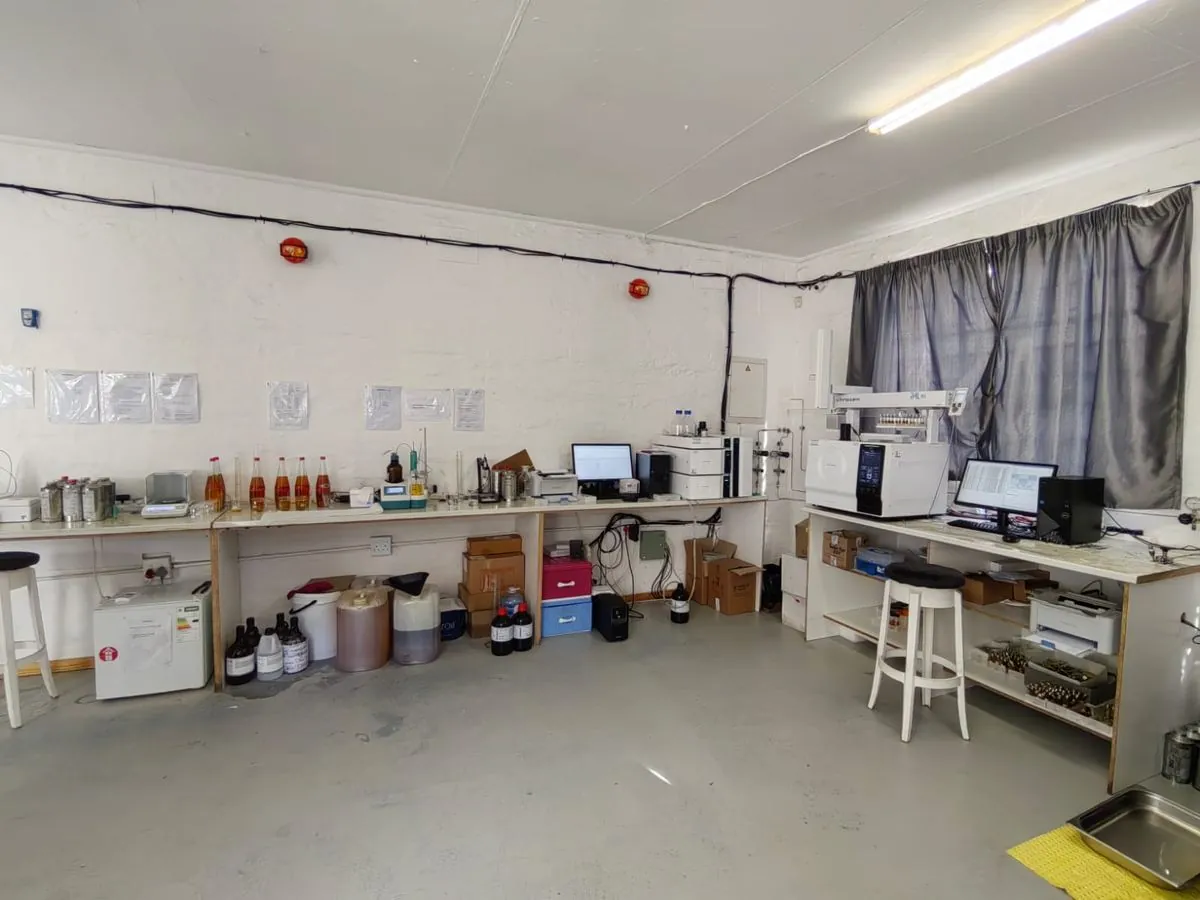
We measure the inhibitor by infrared spectroscopy, following ASTM D2668. DBPC absorbs infrared light at a characteristic wavelength, and the strength of that absorption gives its concentration in the oil. You receive a PDF report by email with the result, a trend against previous samples and a plain-language recommendation.
How often to test
For transformers filled with inhibited oil, include inhibitor content in the annual oil quality test. Test again after reclamation or re-inhibition to confirm the new level.
Sending a sample
Inhibitor content can be tested on the same 1 litre amber glass bottle as routine oil quality, so ask for it when you book. Our transformer oil sampling guide covers the valve, container and labelling.
Related testing and guides
- Dissolved Gas Analysis (DGA) of Transformer Oil
- Furan Testing of Transformer Oil
- Breakdown Voltage (BDV) Testing of Transformer Oil
- Moisture Content Testing of Transformer Oil
- Acidity (Neutralisation Number) Testing of Transformer Oil
- How to Take a Transformer Oil Sample
- How to Choose a Transformer Oil Testing Laboratory