- Method
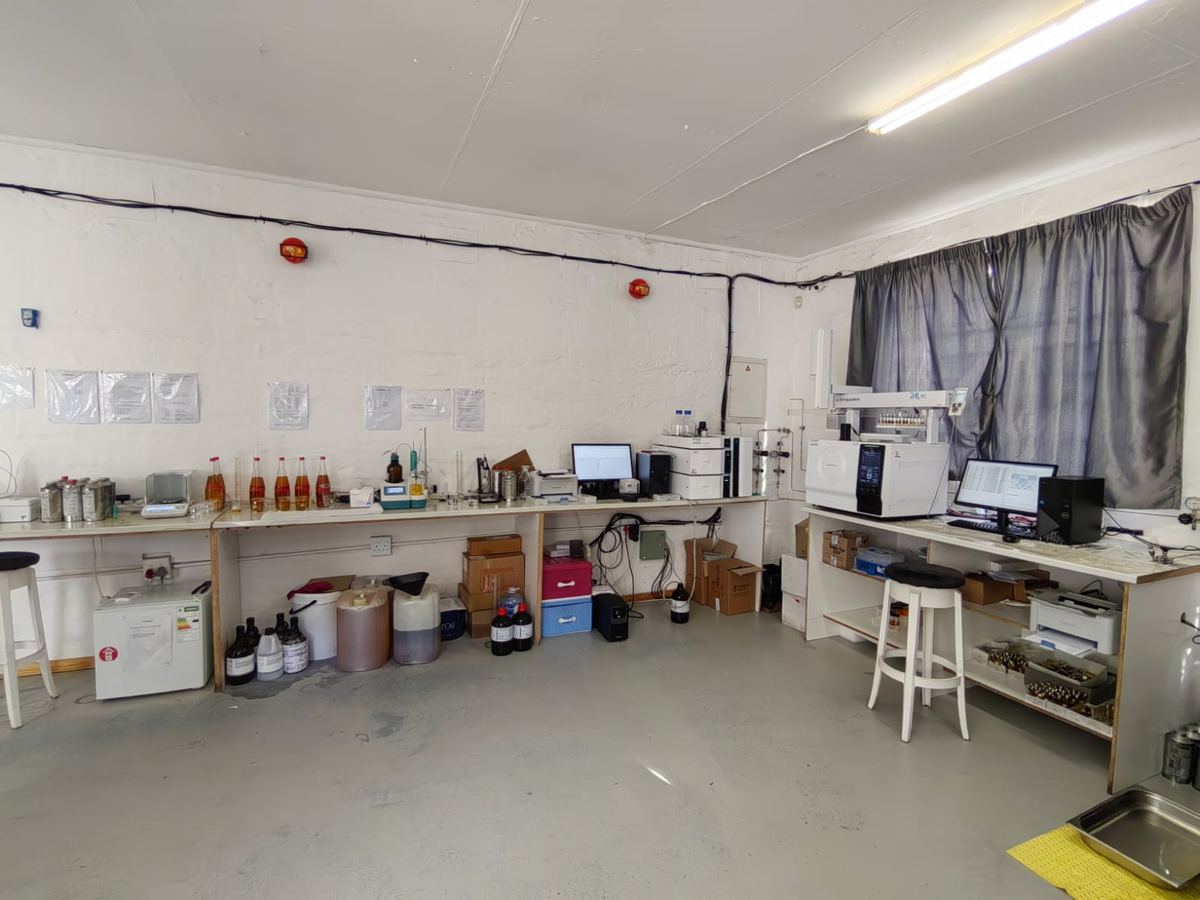
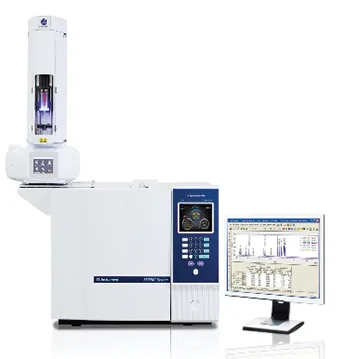
- Gas chromatography
- Test standard
- ASTM D3612
- Interpretation
- IEC 60599 ratios and the Duval triangle
- Turnaround
- 2–3 working days
- Sample
- 50–100 ml in a glass syringe or sealed metal can
DGA or oil quality: what is the difference?
Oil quality tells you the condition of the oil itself: whether it is still a good insulator and coolant. DGA tells you what is happening inside the transformer. You want both. Oil quality tests such as breakdown voltage answer "must I dry, filter or replace this oil?" DGA answers "is this transformer developing a fault?"
What each gas points to
| Gas | What it points to |
|---|---|
| Hydrogen (H₂) | Partial discharge / corona |
| Methane (CH₄), ethane (C₂H₆) | Low-temperature thermal faults (< 300 °C) |
| Ethylene (C₂H₄) | High-temperature thermal faults (> 700 °C, hot spots) |
| Acetylene (C₂H₂) | Arcing. Treat as serious |
| Carbon monoxide (CO), carbon dioxide (CO₂) | Paper insulation degradation |
Rising carbon monoxide with rising furans means the windings are ageing. A furan test helps confirm it.
How we report the result
We apply IEC 60599 ratios and the Duval triangle to classify the fault. The report says, in plain English, what kind of fault is most likely (for example, "T2: thermal fault 300–700 °C") and what to do next.
You receive a PDF report by email with the raw data, a trend graph against previous samples on the same unit and a plain-language recommendation. Clients also have online access to their full report archive.
Why the trend matters more than one result
What matters is the rate of change, not a single number. A unit with 25 ppm hydrogen that has been sitting at 25 ppm for five years is far less concerning than one that went from 5 to 25 ppm in three months. Keep your historical samples on file and always send the previous report number with new samples so we can plot the trend for you.
How often to run DGA
A practical mining schedule that aligns with SANS 60422:
- Critical or large units (≥ 5 MVA, shaft winders, mill drives, main intake transformers): every 6 months.
- Standard distribution and section transformers: at least annually, or whenever a unit is suspect.
- New or recently repaired units: at commissioning and 3 months later, then on the routine cycle.
- After any electrical event (through-fault, lightning strike, protection operation, abnormal noise, gas relay alarm): immediately.
What to do if acetylene appears
Acetylene means arcing somewhere in the tank. It does not necessarily mean the transformer is about to fail, but it has to be taken seriously:
- Re-sample within 24–48 hours to confirm and check the trend.
- Reduce load if possible.
- Check the Buchholz / gas relay. Do not reset it without sampling the gas.
- If acetylene is rising from sample to sample, plan an outage.
Emergency and fault investigation samples can be turned around in 24 hours, by arrangement, for a surcharge. Use the 24/7 emergency line below.
Taking a DGA sample
Use the dedicated DGA sampling point (or the bottom valve if there is none) and a glass syringe or sealed metal can. Plastic bottles let dissolved gases escape, which makes the result meaningless. Exclude all air, with no headspace. Our transformer oil sampling guide covers each step.